Introduction to Quinoa Bowls
Quinoa bowls have surged in popularity in recent years, becoming a staple for health-conscious individuals and culinary enthusiasts alike. As a dish that combines a hearty grain base with a variety of toppings, quinoa bowls offer a versatile platform for creativity while ensuring nutritional balance. Quinoa, a complete protein grain, contains all nine essential amino acids, making it an excellent choice for vegetarians, vegans, and anyone looking to incorporate more plant-based foods into their diets.
This culinary trend can be attributed not only to quinoa’s high nutritional value but also to its adaptability. Quinoa bowls can easily cater to various dietary preferences, whether one aims for low-carb, gluten-free, or high-protein meals. The nature of these bowls allows for an assortment of vegetables, legumes, nuts, and seeds, which can be tailored to individual tastes and seasonal availability. As such, quinoa bowls encourage seasonal eating while allowing for innovative combinations that keep meals exciting and nutritious.
Furthermore, the health benefits associated with quinoa and its accompaniments extend beyond basic nutrition. Quinoa is rich in fiber, which aids in digestion and contributes to a feeling of fullness. Such properties can help maintain a healthy weight, while the addition of fresh herbs and vegetables in a quinoa bowl enhances the dish’s antioxidant content. Fresh herbs not only elevate the flavor profile but also introduce additional nutrients, solidifying the bowl as a comprehensive meal that supports overall well-being.
With their blend of nutrition, flavor, and creativity, quinoa bowls are not just a meal option; they represent a lifestyle choice that emphasizes health, sustainability, and culinary delight.
Benefits of Quinoa
Quinoa, often regarded as a superfood, boasts a remarkable nutritional profile that sets it apart from many other grains. One of its most significant attributes is that it is a complete protein, containing all nine essential amino acids that the human body requires for various functions. This makes quinoa an excellent source of protein for vegetarians and vegans who might find it challenging to obtain adequate protein through their diet alone. With approximately 8 grams of protein per cooked cup, quinoa serves as a fulfilling and nutritious option that supports muscle repair and growth.
In addition to its protein content, quinoa is notably high in dietary fiber. A single serving provides about 5 grams of fiber, which aids in digestive health and helps maintain a feeling of fullness. This attribute supports weight management and contributes to overall gut health, making quinoa a smart choice for those looking to improve their digestive efficiency. Furthermore, including high-fiber foods in one’s diet is linked to a reduced risk of chronic diseases such as heart disease and type 2 diabetes.
Quinoa is also rich in essential vitamins and minerals. It is a good source of magnesium, phosphorus, manganese, and folate—all vital for maintaining various bodily functions. These nutrients play roles in energy production, bone health, and cellular processes, promoting overall well-being. Additionally, quinoa is gluten-free, making it suitable for individuals with celiac disease or gluten intolerance. Incorporating quinoa into a balanced diet provides flexibility for those with specific dietary restrictions while still reaping the health benefits associated with wholesome, nutrient-dense foods.
Choosing the Right Vegetables
Selecting the appropriate vegetables is essential for crafting a delightful and nutritious vegetable quinoa bowl. The right combination not only enhances the dish’s flavor but also provides essential vitamins and minerals. One effective strategy for choosing vegetables is to focus on seasonal produce, which will often be fresher and more flavorful. Seasonal vegetables reflect the time of year, so visiting local farmers’ markets or grocery stores that prioritize local sourcing can yield optimal results.
In spring, consider asparagus, radishes, and peas, while summer offers options like zucchini, bell peppers, and tomatoes. Autumn presents a wealth of choices such as butternut squash and Brussels sprouts, leading into winter where root vegetables like carrots and beets are abundant. Integrating seasonal vegetables into your quinoa bowl not only supports sustainability but also enhances the dish’s overall taste profile.
Another key aspect of selecting vegetables is to prioritize color variety. A diverse palette not only makes the bowl visually appealing but also ensures a broader range of nutrients. For instance, combining vibrant greens like spinach or kale with the deep hues of red bell peppers or purple eggplant introduces exciting textures and flavors. When assessing the vegetables, think about their compatibility with quinoa; the mild, nutty taste of quinoa pairs wonderfully with roasted or sautéed vegetables.
To optimize texture and taste, consider the cooking methods for your vegetables as well. Roasted vegetables will provide a caramelized sweetness, while lightly steamed or raw options add a crisp freshness. Look for vegetables that can be easily mixed and matched, allowing for flexibility in both preparation and presentation. By following these tips, your vegetable quinoa bowl will not only be nutritious but also a true delight for the taste buds.
Herbs: Enhancing Flavor and Freshness
Fresh herbs play a vital role in elevating the flavor and nutritional profile of a vegetable quinoa bowl. Their vibrant tastes and aromatic qualities not only enrich meals with depth but also provide an array of health benefits. Commonly used herbs such as parsley, cilantro, basil, mint, and dill can each impart unique flavors that complement the earthy essence of quinoa and the freshness of vegetables.
Parsley, for instance, offers a mild, slightly peppery taste that pairs well with nearly any dish. It is an excellent source of vitamins A, C, and K, which contribute to overall health. Both flat-leaf and curly parsley varieties can be used, although flat-leaf is often preferred for its robust flavor in cooking. Similarly, cilantro provides a more distinct flavor with its citrus notes, making it ideal for Mediterranean and Southwest-inspired quinoa bowls.
Basil is another popular herb, particularly when fresh, as it adds a sweet and peppery flavor that enhances tomatoes and other fresh ingredients in the bowl. Beyond flavor, basil possesses antioxidant properties and can promote cardiovascular health. Additionally, mint can introduce a refreshing note that brings a surprising twist to the dish, offering a light and cooling effect that balances heartier flavors.
Dill, with its slight tanginess, can also enhance the overall taste while supporting digestive health. By incorporating a variety of these herbs, one not only boosts the flavor profile of the quinoa bowl but also adds a host of vitamins, minerals, and antioxidants.
In conclusion, utilizing fresh herbs effectively in a vegetable quinoa bowl results in a delightful fusion of flavors and nutritional enhancements, making for a delicious and nutritious meal option.
Crafting the Perfect Lemon Dressing
The lemon dressing is a crucial component of the vegetable quinoa bowl, providing a bright and zesty flavor that enhances the overall dish. To create this delightful dressing, you will need a few key ingredients that blend harmoniously. The primary ingredients include fresh lemon juice, olive oil, honey or maple syrup for sweetness, and a pinch of salt and pepper to balance the flavors.
Begin by juicing one or two medium-sized lemons, ensuring you achieve about a quarter cup of fresh lemon juice. Straining the juice will help eliminate any seeds or pulp, resulting in a smoother dressing. Next, in a bowl, whisk together the lemon juice with an equal amount of extra virgin olive oil. This ratio typically creates a well-balanced dressing. However, feel free to adjust the oil-to-lemon juice ratio according to your taste preferences.
Afterward, add one to two teaspoons of honey or maple syrup, stirring until it is thoroughly incorporated. This addition will provide a touch of sweetness to counteract the acidity of the lemon. Season the dressing with salt and freshly ground black pepper to enhance the overall flavor. For a little extra depth, consider adding minced garlic or a dash of Dijon mustard.
To suit individual preferences or seasonal ingredients, variations can include different herbs such as parsley, basil, or chives, finely chopped and mixed into the dressing. You can also experiment by using lime juice instead of lemon for a unique twist. Remember to taste your dressing as you go; this will ensure you achieve a flavor profile that aligns with your personal liking. With these steps, you will be well on your way to crafting the perfect lemon dressing, elevating your vegetable quinoa bowl to a new level of deliciousness.
Assembling Your Vegetable Quinoa Bowl
Assembling a vegetable quinoa bowl is an engaging process that allows for creativity while ensuring a nutritious meal. Start by preparing a base of quinoa, cooked to a fluffy texture, as it serves as the foundation for your bowl. To enhance the flavor and nutritional value, consider using vegetable broth instead of water when cooking the quinoa. This subtle depth of flavor will elevate the overall taste of your dish.
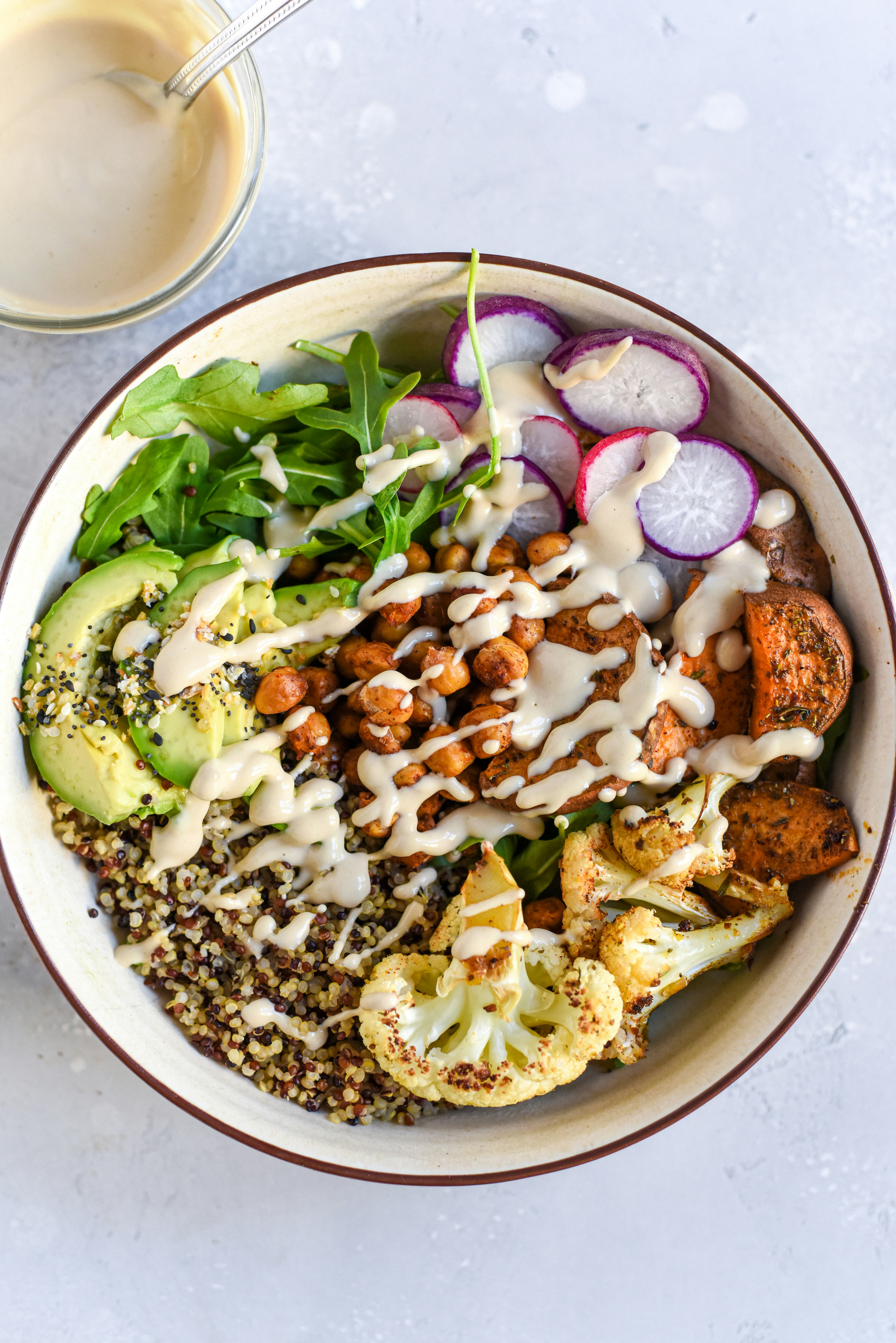
Layering is key for both visual appeal and taste. Begin by placing a generous serving of quinoa at the bottom of your bowl. Next, introduce a variety of colorful vegetables. Opt for a combination of raw and roasted vegetables to create an interesting textural contrast. For instance, roasted sweet potatoes or bell peppers can add warmth and a slight sweetness, while fresh vegetables like cucumbers and cherry tomatoes provide crunch and juiciness. Aim for a harmony of colors; a mix of greens, reds, and yellows can make your bowl not only appetizing but also nutritious.
Herbs play a crucial role in enhancing flavor. Fresh herbs such as parsley, cilantro, or basil can be finely chopped and sprinkled on top of the vegetables. These will bring a burst of freshness, complementing the other ingredients. Additionally, consider adding healthy fats such as avocado slices or a dollop of hummus, which can provide creaminess and richness to balance the bowl.
Finally, drizzle a zesty lemon dressing over the top just before serving. A mix of olive oil, lemon juice, salt, and pepper will brighten the flavors and tie the components together. For a delightful presentation, serve the vegetable quinoa bowl with an extra wedge of lemon on the side, inviting diners to adjust the acidity according to their preference. With these assembly tips, your quinoa bowl will be a colorful and nutritious centerpiece, ready to be enjoyed.
Meal Prep Ideas for Quinoa Bowls
Meal prepping quinoa bowls is a strategic approach that not only saves time but also enhances the quality and nutrition of your meals throughout the week. The first step in preparing nutritious quinoa bowls is to designate a day for meal preparation, ideally on a weekend, when you can take the time to cook various components. Begin with a batch of quinoa, as it serves as a versatile base full of protein, fiber, and essential nutrients. Cooking a large quantity at once allows for quick assembly of bowls during busy weekdays.
In addition to quinoa, chop an assortment of fresh vegetables such as bell peppers, zucchini, carrots, and leafy greens. These ingredients can be prepared ahead of time and stored in airtight containers in the refrigerator. To maintain freshness, consider mixing vegetables that have similar shelf lives and use them within the week. Opting for seasonal produce not only adds variety but also keeps costs manageable.
Herbs and spices are crucial for varying flavors and can be prepared in advance as well. Chopped fresh herbs like cilantro, parsley, and basil can elevate your quinoa bowls. You may store these in small containers or ice cube trays filled with olive oil, preserving their flavor and aroma for later use. Similarly, prepare a selection of dressings, with a lemon dressing being a popular choice, offering a refreshing and tangy flavor that complements various ingredients.
For time-saving techniques, assemble quinoa bowls in single-serving glass jars or meal prep containers, layering them in an appealing manner. By doing this, you can grab a combination ready to eat, omitting the need for disarray in the kitchen during the week. Utilizing this meal prep strategy ensures that you enjoy diverse, delicious, and nutritious quinoa bowls without the daily time constraints of cooking. Alongside proper storage methods and ingredient variations, you can sustain a healthy lifestyle effortlessly.
Variations and Add-Ins
One of the most appealing aspects of a vegetable quinoa bowl is its versatility. By incorporating various proteins, vegetables, and dressings, one can customize the dish to suit personal tastes and dietary preferences, thereby enhancing both flavor and nutrition. For those seeking a protein boost, consider adding grilled chicken, tofu, or chickpeas. These ingredients not only complement the quinoa base but also elevate the overall protein content, making the dish more satisfying.
To further enrich the flavor profile of your quinoa bowl, experiment with different grains. While quinoa serves as an excellent foundation, combining it with other grains such as farro or bulgur can provide a delightful texture and taste contrast. This approach not only diversifies the nutritional content but also introduces a hearty chewiness that many enjoy.
When it comes to vegetables, almost anything can be added to a quinoa bowl. From sautéed bell peppers and zucchini to roasted sweet potatoes and spinach, the choice is limitless. Moreover, incorporating seasonal vegetables can help keep the dish fresh and interesting. Consider using a mix of raw and cooked vegetables for a balance of textures that enriches the eating experience.
Dressings also play a pivotal role in enhancing the flavors of a quinoa bowl. While a simple lemon vinaigrette can brighten the dish, you may also experiment with tahini, yogurt-based sauces, or even a spicy harissa for an adventurous kick. Fresh herbs such as parsley, cilantro, or mint can elevate the overall aesthetic and provide a burst of flavor that complements the other ingredients.
For those looking for healthy fats, avocado or a sprinkle of nuts and seeds can be excellent additions, contributing creaminess and crunch, respectively. These variations and add-ins allow for a personalized quinoa experience that is both nutritious and delicious.
Final Thoughts and Serving Suggestions
The vegetable quinoa bowl stands as a versatile dish that can fit seamlessly into a variety of dining experiences. Its nutritious components make it not only nourishing but also a delightfully colorful addition to any table. With quinoa as the base, paired with a medley of fresh vegetables, herbs, and a zesty lemon dressing, this bowl exemplifies how one can create meals that are both wholesome and appetizing.
For casual meals, consider enjoying the vegetable quinoa bowl as a quick lunch or a satisfying dinner after a busy day. Its ease of preparation allows for spontaneous cooking, making it an ideal choice for those with a hectic lifestyle. Feel free to customize the bowl according to seasonal vegetables available, ensuring that freshness and flavor remain at the forefront.
If you’re hosting a potluck gathering, the vegetable quinoa bowl can shine as a crowd-pleasing dish. Its vibrant appearance and customizable nature make it an exciting offering; you can even present it in a large serving bowl for a communal experience. Adding various toppings—such as avocado slices, feta cheese, or toasted nuts—encourages guests to personalize their servings, enhancing their enjoyment.
Planning a picnic? The vegetable quinoa bowl is easily transportable and can be served cold or at room temperature, making it convenient for outdoor dining. Pack it in individual containers, allowing everyone to partake in this nutritious meal while enjoying the fresh air. You may also prepare it ahead of time, as the flavors meld beautifully over time, creating a more robust taste.
In conclusion, integrating vegetable quinoa bowls into your diet not only promotes health but also enriches culinary experiences. Whether for a casual lunch, shared at a gathering, or enjoyed alfresco, this dish is undeniably a delicious addition to a balanced lifestyle.