
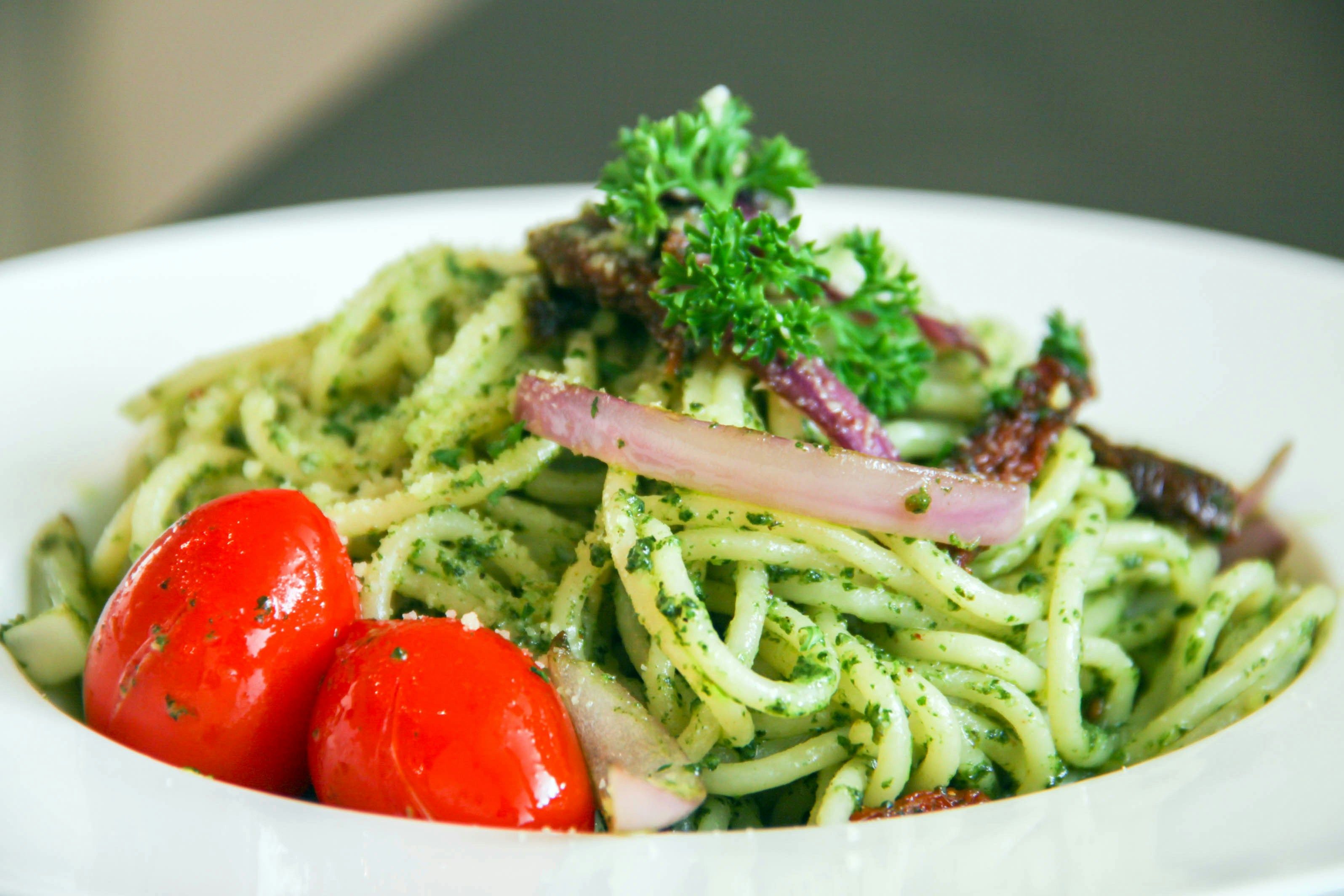
Introduction to Whole Wheat Pasta
Whole wheat pasta has gained significant traction in contemporary diets, largely due to its enhanced nutritional profile compared to traditional refined pasta. Made from whole grain wheat, whole wheat pasta retains the bran, germ, and endosperm during processing, resulting in a product that is rich in essential nutrients. This integration of the entire grain ensures a higher fiber content, which can greatly aid digestion, promote satiety, and contribute to better heart health.
One of the most notable benefits of consuming whole wheat pasta is its superior fiber content. This dietary fiber plays a crucial role in regulating blood sugar levels, which can be particularly beneficial for individuals monitoring their carbohydrate intake. Additionally, whole wheat pasta is a valuable source of vitamins and minerals, notably B vitamins, iron, magnesium, and zinc. These nutrients are vital for various bodily functions, including energy production, immune support, and muscle function.
The rise of whole grain options in the marketplace reflects a broader shift towards healthier eating habits. As more consumers become aware of the long-term health benefits associated with whole grains, such as reduced risk of chronic diseases, foods like whole wheat pasta fit seamlessly into a healthy lifestyle. Many individuals are opting for whole wheat alternatives not just for their health benefits but also for their nutty flavor and sturdier texture, which can enhance a variety of dishes.
Incorporating whole wheat pasta into meals provides a convenient and versatile option for those seeking to maintain a balanced diet. Whether tossed with vibrant vegetables or paired with flavorful sauces, whole wheat pasta serves as a wholesome foundation that accommodates diverse culinary traditions. This grain-forward option undoubtedly aligns with the increasing demand for nutritious and satisfying meals.
Understanding Basil Pesto
Basil pesto, a vibrant and flavorful sauce, is a cornerstone of Italian cuisine, traditionally originating from Genoa. This green sauce is composed primarily of fresh basil leaves, which contribute a distinct aromatic essence. In addition to basil, classic pesto recipes incorporate garlic, providing a punch of flavor, pine nuts, which add a subtle crunch and nutty richness, Parmesan cheese for savory depth, and high-quality olive oil that binds the ingredients and enhances the overall taste profile.
The simplicity of basil pesto’s composition belies its rich depth of flavor. Each ingredient plays a crucial role: the aromatic basil brings brightness and herbaceous notes; garlic imparts a warmth and slight spiciness; pine nuts introduce a buttery texture, which balances the sharpness of Parmesan cheese. The olive oil not only helps in achieving a creamy consistency but also enhances the freshness of the dish, making pesto a beloved companion for pasta and vegetables alike.
One of the reasons basil pesto pairs so wonderfully with pasta is its versatility and ability to complement various types of noodles, from spaghetti to fettuccine. The sauce clings beautifully to the pasta, ensuring that each bite is infused with flavor. Moreover, the freshness of the basil works in harmony with the plain characteristics of whole wheat pasta, creating a balanced dish that is both satisfying and wholesome. Beyond pasta, basil pesto can also be utilized as a marinade for meats, a spread for sandwiches, or a drizzle over vegetables, showcasing its multifunctional culinary applications.
Incorporating basil pesto into a dish elevates it not only in taste but also in presentation, contributing a vibrant green hue to the plate. Its rich flavors and health benefits make it a standout choice for those looking to create delicious and nutritious meals.
Choosing the Right Vegetables
When preparing a delicious whole wheat pasta dish tossed with basil pesto, the selection of vegetables plays a crucial role in enhancing both flavor and nutrition. Choosing the right vegetables not only complements the taste of the dish but also ensures a balance of textures and colors. There are numerous options available, ranging from seasonal produce to perennial favorites that can be enjoyed throughout the year.
For seasonal vegetables, consider incorporating fresh ingredients based on the time of year. In the spring, asparagus, peas, and artichokes add a vibrant taste and tender texture. Summer brings an abundance of zucchini, bell peppers, cherry tomatoes, and eggplant, which not only provide rich flavors but also add visual appeal to your pasta. Fall and winter allow for robust vegetables like kale, broccoli, or Brussels sprouts, which hold up well in cooked dishes and contribute to the nutritional value of the meal.
In addition to seasonal choices, there are several vegetables that can be enjoyed year-round. Spinach, for instance, offers a mild taste and is packed with vitamins, making it a great complement to whole wheat pasta and basil pesto. Carrots, onions, and garlic are staples that add essential flavor and can enhance the dish regardless of the season. For those with dietary preferences, options such as bell peppers or zucchini can cater to vegan diets, while still ensuring that the dish remains hearty and satisfying.
When selecting vegetables, opt for those that are firm, fresh, and vibrant in color. This not only guarantees better flavor but also maximizes nutritional content. Furthermore, feel free to experiment with different combinations to find the perfect balance that appeals to your palate. The right mix of seasonal and year-round vegetables will not only make your whole wheat pasta and basil pesto dish colorful and appealing but also healthy and fulfilling.
Cooking Whole Wheat Pasta Perfectly
To achieve the ideal texture when cooking whole wheat pasta, it is essential to follow a systematic approach. Begin by selecting a large pot that allows ample space for the pasta to move freely as it cooks. This will help to prevent it from clumping together. Fill the pot with water, ensuring that the ratio is at least four to six quarts of water for every pound of pasta. A sufficient amount of water is critical for the pasta to cook evenly.
Next, it is crucial to season the water properly. Add a generous amount of salt, approximately one to two tablespoons, to the boiling water. This step enhances the flavor of the pasta during the cooking process, leading to a more delicious overall dish. Allow the water to reach a rolling boil before adding the whole wheat pasta.
Once the pasta is added to the boiling water, stir it gently to prevent sticking. Whole wheat pasta generally requires slightly longer cooking times than regular pasta, typically ranging from eight to twelve minutes. For optimal results, check the pasta a minute or two before the package instructions suggest to ensure it is al dente, which translates to ‘to the bite.’ Al dente pasta retains a firm texture and does not become mushy.
To avoid overcooking, it’s advisable to set a timer and taste the pasta as it nears the end of the cooking time. When the pasta reaches the desired doneness, promptly drain it in a colander. Avoid rinsing the pasta, as this eliminates the starch that helps the sauce adhere better. If you plan to toss it with basil pesto and vegetables, a gentle drizzle of olive oil can help maintain its texture and flavor before mixing.
Making Fresh Basil Pesto
Basil pesto is a classic Italian sauce known for its bold flavors and versatility. To create fresh basil pesto from scratch, you will need several key ingredients: freshly picked basil leaves, garlic, pine nuts (or a substitute), extra virgin olive oil, and Parmesan cheese. The traditional proportions suggest about two cups of fresh basil, two cloves of garlic, half a cup of pine nuts, one cup of extra virgin olive oil, and half a cup of grated Parmesan. Adjust these amounts based on personal taste and desired consistency.
Begin by rinsing the basil leaves thoroughly to remove any dirt or impurities. A salad spinner can be a useful tool for drying the leaves quickly. In a food processor, combine the basil, garlic, and pine nuts. Pulse the mixture several times until it forms a coarse paste. While the processor is running, gradually add the olive oil in a steady stream. This technique allows the oil to emulsify with the other ingredients, yielding a smoother texture.
After blending, scrape down the sides of the food processor as needed to ensure all ingredients are well combined. Then, incorporate the grated Parmesan cheese. Blend briefly to avoid overheating the cheese, which could alter its flavor. Taste the pesto and adjust seasoning with salt and pepper according to your preference. If the pesto is too thick, you can thin it out with a bit more olive oil.
For those looking for alternative versions, a vegan basil pesto can be made by omitting the cheese and substituting nutritional yeast, which adds a cheesy flavor without dairy. For a nut-free option, pumpkin seeds or sunflower seeds work well as substitutes for pine nuts. Creating fresh basil pesto from scratch not only enhances the flavor of your dishes but also allows for personalized variations to suit dietary needs.
Bringing It All Together: Tossing Pasta with Pesto and Vegetables
Once the whole wheat pasta is cooked to perfection, it is time to bring this dish together through the essential combination of pasta, basil pesto, and fresh vegetables. Begin by ensuring that the pasta is drained properly, allowing for just a touch of cooking water to cling to the strands. This slight moisture will help the pesto adhere to the pasta, enhancing the overall flavor and texture of the dish.
In a large mixing bowl, add the drained pasta, followed by the desired amount of basil pesto. The key to achieving a harmonious blend lies in the gentle tossing of the pasta and pesto together. Utilize tongs or a pasta fork to carefully combine the ingredients, ensuring that every strand of pasta is coated with the vibrant green sauce. If the pasta appears too dry, a small amount of the reserved pasta water can be added gradually to achieve the desired creaminess.
Next, it is time to introduce the fresh vegetables. Whether you opt for sautéed bell peppers, roasted zucchini, or crisp cherry tomatoes, the vegetables not only add color but also essential nutrients to the dish. Toss the vegetables in with the pasta and pesto mixture, ensuring an even distribution throughout. This not only enhances the flavor profile but also contributes to a visually appealing presentation.
When serving, consider a decorative approach. Arrange the pasta in shallow bowls, topping it with a sprinkle of grated Parmesan cheese for an added depth of flavor. Fresh basil leaves can serve as an elegant garnish, enhancing the dish’s aesthetic appeal. With these techniques for even distribution of flavors and thoughtful presentation, your delicious whole wheat pasta tossed with basil pesto and vegetables is sure to impress both visually and taste-wise.
Health Benefits of the Dish
Whole wheat pasta is renowned for its nutritional advantages compared to its white counterpart. As a whole grain product, it retains the bran and germ, making it a rich source of dietary fiber. This fiber plays a crucial role in promoting digestive health by enhancing bowel regularity and preventing constipation. Furthermore, it contributes to a feeling of satiety, which can aid in weight management by helping individuals control their appetite. Whole wheat pasta also provides essential minerals such as iron and magnesium, which support various bodily functions including energy production and muscle function.
Basil pesto, a key ingredient in this dish, not only elevates the flavor profile but also offers significant health benefits. Basil is packed with antioxidants, which are compounds that help to neutralize harmful free radicals in the body, potentially reducing the risk of chronic diseases. Moreover, basil contains essential oils like eugenol, which may possess anti-inflammatory properties. This can contribute to overall heart health and may protect against certain types of cancer. The aromatic herb also provides a wealth of vitamins A and K, instrumental in bone health and vision.
The addition of vegetables further enhances the nutritional value of this dish. Vegetables are a cornerstone of a balanced diet, offering a wide variety of vitamins, minerals, and antioxidants. For instance, leafy greens like spinach and kale are abundant in vitamin K, while bell peppers are an excellent source of vitamin C, crucial for immune support and skin health. Incorporating a diverse array of vegetables ensures a range of nutrients, from carotenoids to flavonoids, promoting overall wellness. Together, these ingredients create a wholesome meal that aligns with dietary recommendations and supports a healthy lifestyle.
Meal Prep and Storage Tips
Meal prepping whole wheat pasta tossed with basil pesto and vegetables can be an effective way to enjoy this nutritious dish throughout the week, especially for those with busy schedules. Preparation is key, and the following tips will help you store and reheat your meals while maintaining the freshness and flavor of the ingredients.
Start by cooking a larger batch of whole wheat pasta, ensuring it is slightly undercooked. This method allows for the pasta to retain some firmness when reheated. After cooking, drain the pasta and rinse it under cold water to stop the cooking process, which also helps prevent it from sticking together. Divide the pasta into individual portions in airtight containers, which makes it easy to grab when needed.
When it comes to the sauce, basil pesto can be made in advance and stored separately. To keep the pesto vibrant, consider adding a thin layer of olive oil on top of the sauce before sealing it in an airtight jar. This helps create a barrier against air, which can oxidize and dull the flavor of the pesto. Typically, homemade pesto can be stored in the refrigerator for up to a week, while also freezing well for up to a month.
For the vegetables, try to choose hardy varieties such as bell peppers, zucchini, and broccoli, as these will endure better in storage. Pre-cut and store them in the fridge; however, leave the more delicate vegetables, such as leafy greens, to be added right before serving. Keep your pasta, pesto, and vegetables separate until you are ready to enjoy your meal. This separation prevents sogginess and maintains texture.
When it is time to reheat your meal, remove the desired portion from storage and combine the components in a microwave-safe dish. Heat in short intervals, stirring occasionally to ensure even warmth. Alternatively, reheat on the stovetop, adding a splash of water or olive oil to help bring moisture back to the pasta. Following these meal prep and storage tips enables you to have delicious whole wheat pasta ready to enjoy anytime.
Serving Suggestions and Pairings
When serving whole wheat pasta tossed with basil pesto and vegetables, the goal is to create a well-rounded dining experience that complements the flavors of the dish. One effective approach is to include a side salad, which can add freshness and a contrasting texture. Consider a simple mixed greens salad dressed with a light vinaigrette or a classic Caesar salad, which can provide a crisp, zesty counterpoint to the rich flavors of the pesto.
For those looking to incorporate bread into their meal, a warm, crusty ciabatta or focaccia can be an excellent choice. These types of bread not only pair well with the pasta but also serve as a perfect vehicle for soaking up any leftover pesto sauce. Additionally, you could prepare garlic bread for a more indulgent option, complementing the Mediterranean flavors of the dish.
Wine pairing can elevate the dining experience as well. A chilled Sauvignon Blanc is a great choice, as its vibrant acidity and herbal notes harmonize beautifully with basil pesto. Alternatively, a light Pinot Grigio or even a refreshing rosé can balance the richness of the whole wheat pasta while enhancing the overall flavor profile of your meal.
For those interested in boosting the protein content of the dish, there are numerous options available. Lean grilled chicken or shrimp can be added for those who prefer meat. For a vegetarian protein option, consider tossing in chickpeas or white beans, both of which complement the pasta and add significant nutritional value. These additions not only increase the heartiness of the dish but also enhance its overall flavour, making it a satisfying meal for any palate.